












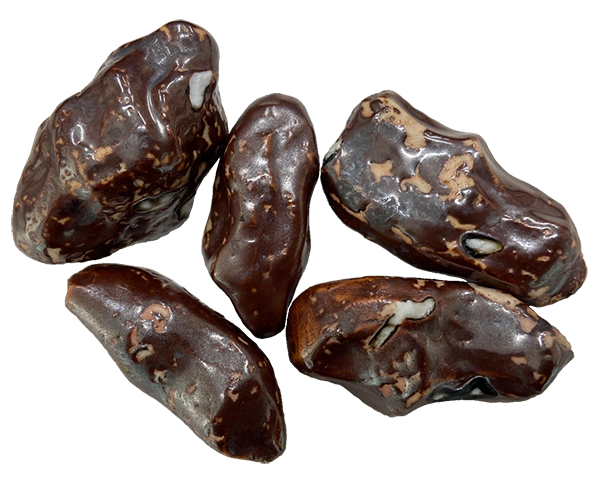
[SAISEI] Pebbles
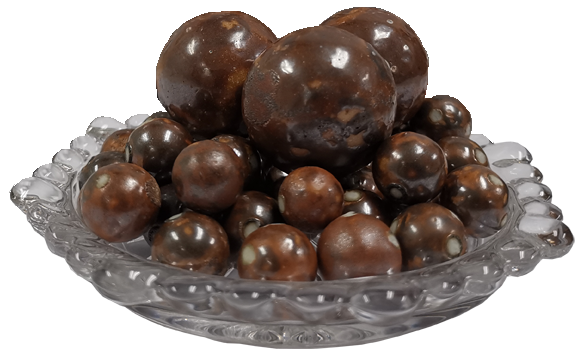
[SAISEI] Pearls
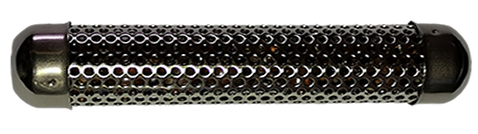
[SAISEI] Stick
Cyanobacteria fossil was discovered at the mountainous areas near the volcanos in Japan. We found out tremendous benefits of Cyanobacteria and spent about 20 years in research and development, and finally developed the [SAISEI] sticks.
The general benefits of Cyanobacteria and How Cyanobacteria Fossil are formed
Cyanobacteria are ancient, photosynthetic microorganisms often called blue-green algae (though they’re actually bacteria). They offer several benefits to living beings:
Benefits of Cyanobacteria
1. Oxygen Production:
Cyanobacteria were among the first organisms to perform oxygenic photosynthesis, contributing to the oxygenation of Earth’s atmosphere over 2 billion years ago. This made aerobic life possible.
2. Nutrient Cycling:
Cyanobacteria fix atmospheric nitrogen, converting it into forms that plants and animals can use, enriching soil and water ecosystems.
3. Food Source:
They are a primary producer in aquatic ecosystems, forming the base of the food web.
4. Symbiotic Relationships:
Cyanobacteria form beneficial partnerships, such as with fungi (creating lichens) or plant roots, aiding plant growth.
5. Biotechnological Uses:
Some species are used for biofuel production, water treatment, or as dietary supplements due to their high protein content (e.g., spirulina).
Formation of Cyanobacteria Fossils
Cyanobacteria fossils are among the oldest evidence of life on Earth. Here’s how they form:
1. Stromatolite Formation:
Cyanobacteria grow in colonies and secrete sticky substances that trap sediment. Layers of cyanobacteria and sediments build up over time, forming stromatolites—rock-like structures.
2. Sedimentation:
When cyanobacteria die, their cellular material may become buried by further sediment, protecting them from decay.
3. Mineralization:
Minerals in the water, such as calcium carbonate, can infiltrate the colony, replacing organic material and preserving shapes or impressions of cyanobacteria.
4. Fossil Record:
Over millions of years, the mineralized structures become part of the rock record, and can be found as fossils showing layered stromatolite formations.
These fossils provide critical evidence of early life and help scientists understand Earth’s biological history.
Read more about the contribution of Cyanobacteria in plants ⫸⫸⫸

Research and Development brief summary
(1) Function of Mechanism with [SAISEI] Water
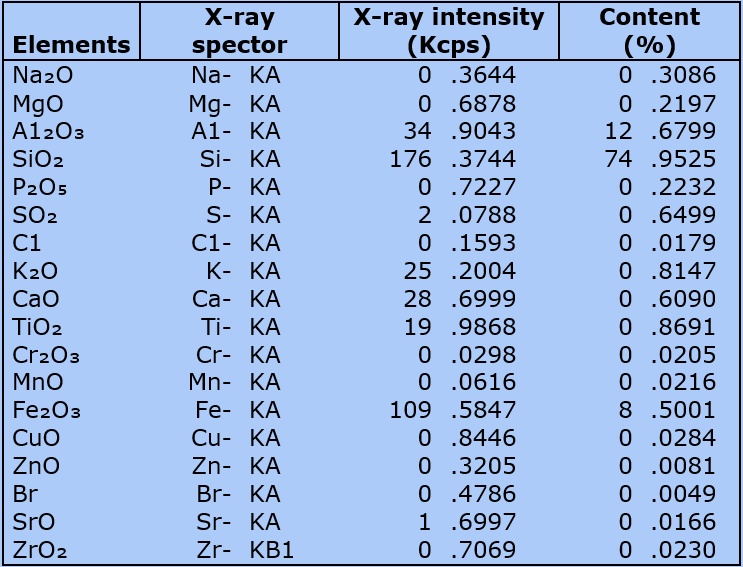
The element in the [SAISEI] Pearl coating(Glaze)
The coating (Glaze) of the [SAISEI] Pearl is produced by fermented of many type of young buds with tap water for a long time including many kind of minerals and photosynthesizing cyanobacteria with special soil which is the fossilized stromatolites. The [SAISEI] Pearl was then treated with high temperature over 1300 degree centigrade for 24 hours. Afterwhich, [SAISEI] Water can be produce by soaking [SAISEI] Pearl with tap water.
The Glaze including these above element and cyanobacteria and its by-product as Oxygen by photosynthesizing, Nitrogen by nitrogen fixation, Carbon by carbon fixation and constitute of cyanobacteria as aminolevulinic acid (ALA) which is fundamental materials of life. Most of the Glaze compound are oxide compound such as SiO2, Fe2O3, Al2O3 ,CaO ,K2O , etc. These components are water soluble and produce chemical reaction (catalyst) as minerals. Therefore, oxygen, nitrogen, carbon, oxide iron, small amount of minerals and aminolevulinic acid are present in the [SAISEI] Water.